
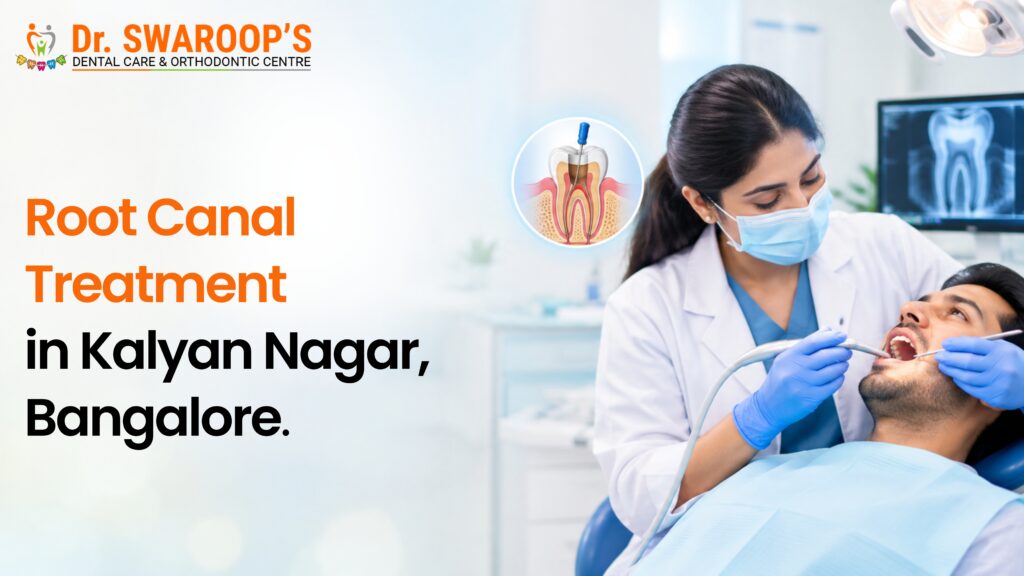
A severe toothache can make even simple activities such as eating, drinking, or sleeping uncomfortable. When the soft inner tissue of a tooth becomes infected or inflamed, root canal treatment can help remove the infection, relieve pain, and preserve the natural tooth.
Root canal treatment, commonly called RCT, has a reputation for being painful. However, modern dentistry uses local anesthesia, advanced diagnostic techniques, improved instruments, and careful treatment protocols to make the procedure significantly more comfortable for most patients.
If you have persistent tooth pain, sensitivity, swelling, or a damaged tooth, understanding the symptoms, procedure, benefits, cost, recovery, and aftercare can help you make an informed decision about treatment.
What Is Root Canal Treatment?
Root canal treatment is a dental procedure performed when the pulp—the soft tissue inside a tooth containing nerves and blood vessels—becomes inflamed, infected, or damaged.
The infection may occur because of deep tooth decay, a crack or fracture, repeated dental procedures, or trauma. Without treatment, the infection can spread into the tissues surrounding the tooth and potentially lead to an abscess.
During RCT, the infected or damaged pulp is carefully removed. The inside of the tooth is cleaned, disinfected, shaped, and sealed. A filling or dental crown may then be used to restore the tooth’s strength and function.
The primary objective is to save the natural tooth while eliminating infection and preventing further damage.
Why Do You Need a Root Canal?
Not every toothache requires a root canal. However, when the dental pulp has been irreversibly damaged or infected, RCT may be recommended to preserve the tooth.
Common causes include:
- Deep dental cavities that reach the pulp
- Cracked or fractured teeth
- Dental trauma
- Repeated procedures on the same tooth
- Extensive wear or damage
- Bacterial infection inside the root canal system
An untreated infection may continue to progress even if the pain temporarily decreases. Therefore, persistent symptoms should be evaluated by a dentist rather than ignored.
Signs You May Need Root Canal Treatment
Symptoms can vary depending on the severity and stage of infection. Some patients experience intense pain, while others may have surprisingly few symptoms.
Common warning signs include:
- Persistent toothache
- Prolonged sensitivity to hot or cold
- Pain when biting or chewing
- Swelling around the tooth or gums
- A recurring gum boil or pimple
- Tooth discoloration
- Tenderness around the affected tooth
Sometimes, an infected tooth may not hurt at all. A dental examination and appropriate diagnostic imaging can reveal problems that are not immediately noticeable.
Is Root Canal Treatment Really Pain-Free?
The phrase pain-free root canal treatment generally refers to the use of modern techniques designed to minimize discomfort during the procedure.
Before starting RCT, the dentist typically administers local anesthesia to numb the affected area. This means that most patients should not experience sharp pain during the procedure, although they may feel pressure or movement.
Modern rotary or reciprocating instruments can also make cleaning and shaping the root canal system more efficient. Careful diagnosis, anesthesia, infection control, and appropriate treatment planning all contribute to patient comfort.
After treatment, some mild tenderness may occur for a few days, especially if there was significant infection around the tooth. This is generally manageable and should gradually improve.
Root Canal Treatment Process
Understanding what happens during an RCT can make the procedure feel much less intimidating.
Step 1: Dental Examination
Your dentist first examines the affected tooth and discusses your symptoms. Dental X-rays or other diagnostic methods may be used to determine the extent of infection and understand the tooth’s root anatomy.
Step 2: Local Anesthesia
The tooth and surrounding area are carefully numbed with local anesthesia. This is one of the most important steps in ensuring patient comfort.
Step 3: Accessing the Tooth
A small opening is created in the tooth to reach the infected pulp chamber and root canals.
Step 4: Removing the Infected Pulp
The damaged or infected pulp tissue is removed from inside the tooth. Specialized instruments are used to clean the root canals.
Step 5: Cleaning and Disinfection
The canals are shaped and thoroughly disinfected to reduce bacteria and remove infected material.
Step 6: Filling and Sealing
After cleaning, the canals are filled with a biocompatible material and sealed to help prevent bacteria from entering again.
Step 7: Restoring the Tooth
Depending on the amount of tooth structure remaining, a filling or dental crown may be recommended. A crown is often considered for heavily damaged back teeth because it can help protect the remaining tooth structure from fracture.
Root Canal Treatment vs Tooth Extraction
When a tooth has severe infection or damage, patients sometimes wonder whether extraction is easier than undergoing RCT.
| Root Canal Treatment | Tooth Extraction |
| Preserves the natural tooth | Removes the natural tooth |
| Treats infection inside the tooth | Removes the affected tooth entirely |
| Usually followed by restoration | May require replacement later |
| Maintains natural tooth function | Can affect neighboring teeth if not replaced |
| May require a crown depending on damage | Replacement may involve implant, bridge, or denture |
Whenever a natural tooth can be predictably saved, preserving it is often preferable to extraction. However, not every tooth can be successfully restored. Your dentist will assess the tooth’s condition before recommending the most appropriate option.
Benefits of Root Canal Treatment
Preserves Your Natural Tooth
One of the biggest advantages of RCT is that it allows you to retain your natural tooth rather than removing it.
Relieves Dental Pain
By removing infected or inflamed pulp tissue and addressing the underlying infection, root canal treatment can resolve the source of tooth pain.
Helps Control Infection
Cleaning and disinfecting the root canals removes infected tissue and significantly reduces the bacterial load inside the tooth.
Restores Normal Function
Once the tooth has been appropriately restored, it can generally be used for normal biting and chewing.
Maintains Your Smile
Preserving a natural tooth can help maintain the existing arrangement of neighboring teeth and the appearance of your smile.
How Long Does Root Canal Treatment Take?
The duration of root canal treatment depends on the tooth and the complexity of its root canal anatomy.
A relatively straightforward tooth may be treated in a single appointment, while complex infections or teeth with multiple canals may require additional visits. The presence of significant infection, retreatment, unusual anatomy, or the need for additional restoration can also influence the timeline.
Your dentist can provide a more accurate estimate after examining the tooth.
Root Canal Treatment Cost in Kalyan Nagar, Bangalore
The cost of root canal treatment in Bangalore varies depending on several factors. There is no single price that applies to every patient.
The type of tooth is an important consideration because front teeth, premolars, and molars can have different root canal anatomies and treatment complexities. Other factors include the severity of infection, whether the tooth requires retreatment, diagnostic procedures, the technology used, and the type of final restoration.
A dental crown, when recommended, is generally an additional component of the overall treatment cost.
Instead of choosing treatment solely on the basis of the lowest price, patients should consider the dentist’s experience, diagnostic approach, infection-control protocols, treatment quality, restoration, and long-term tooth preservation.
How to Prepare for Root Canal Treatment
If your dentist has recommended RCT, follow the instructions provided before your appointment. Tell your dental professional about any medications or relevant health considerations that may affect treatment planning.
It is generally helpful to maintain normal oral hygiene and eat as advised before the appointment. Avoid postponing treatment simply because you are worried about pain. An untreated dental infection can become more complicated over time.
If you have severe swelling, fever, difficulty swallowing, or difficulty breathing, seek urgent dental or medical attention.
Recovery After Root Canal Treatment
Some tenderness or sensitivity can occur after RCT. This is particularly possible when the tooth had significant infection or inflammation before treatment.
Follow your dentist’s instructions carefully. Avoid chewing excessively hard foods on a recently treated tooth until it has received its recommended permanent restoration.
If a crown has been advised, completing the restoration promptly is important because a tooth that has undergone root canal treatment may be more susceptible to fracture when a substantial amount of natural tooth structure has been lost.
Good brushing, flossing, regular dental examinations, and avoiding excessive biting forces can help protect the treated tooth.
Can a Root Canal Tooth Last for Years?
A properly treated and restored tooth can function for many years. Long-term success depends on factors such as the quality of the root canal treatment, the amount of remaining tooth structure, the quality of the final restoration, oral hygiene, and regular dental care.
A crown or other appropriate restoration can provide additional protection when required.
However, no dental treatment guarantees that a tooth will last forever. Regular dental check-ups allow your dentist to monitor the treated tooth and identify potential problems early.
Why Choose Professional RCT Care?
Successful root canal treatment requires accurate diagnosis, careful cleaning and disinfection of the root canal system, appropriate sealing, and a durable final restoration.
Modern dental technology can support diagnosis and treatment planning, but clinical skill and proper case assessment remain essential.
If you are looking for root canal treatment in Kalyan Nagar, Bangalore, choosing a dental practice that prioritizes patient comfort, appropriate diagnostics, sterilization, and personalized treatment planning can make the overall experience more reassuring. Swaroops Dental can be considered by patients seeking professional dental evaluation and treatment options for painful or infected teeth.
Root canal treatment has come a long way from the painful procedure many people imagine. With effective anesthesia, modern instruments, careful infection control, and appropriate restoration, RCT can be a comfortable way to treat an infected tooth while preserving your natural smile.
If you experience persistent tooth pain, sensitivity, swelling, or discomfort while chewing, don’t wait for the symptoms to disappear on their own. An early dental examination can identify the cause and determine whether root canal treatment is appropriate.
For those searching for root canal treatment in Kalyan Nagar, Bangalore, a professional consultation can help you understand your treatment options, expected recovery, and costs. With timely care and proper restoration, saving your natural tooth may be possible. Swaroops Dental can help patients evaluate tooth pain and explore suitable treatment options based on their individual dental needs.
Frequently Asked Questions
1. Is root canal treatment painful?
With modern local anesthesia, patients generally do not experience significant pain during the procedure. Mild tenderness or sensitivity may occur afterward and usually improves over the following days.
2. How do I know if I need an RCT?
Persistent tooth pain, prolonged hot or cold sensitivity, pain while biting, swelling, discoloration, or a recurring gum abscess can indicate a problem with the dental pulp. A dentist must examine the tooth to determine whether RCT is necessary.
3. Can a root canal be completed in one sitting?
Yes, some teeth can be treated in a single appointment. However, the number of appointments depends on the tooth’s anatomy, infection, complexity, and individual treatment requirements.
4. How much does root canal treatment cost in Bangalore?
The price varies according to the type of tooth, complexity of the case, infection severity, treatment technique, and restoration required. A dental consultation is necessary for an individualized estimate.
5. Do I need a crown after root canal treatment?
Not every tooth necessarily requires a crown. However, crowns are commonly recommended for teeth that have lost significant structure, particularly molars and premolars, because they can help protect them from fracture.